Il tuo bebè a 21 mesi
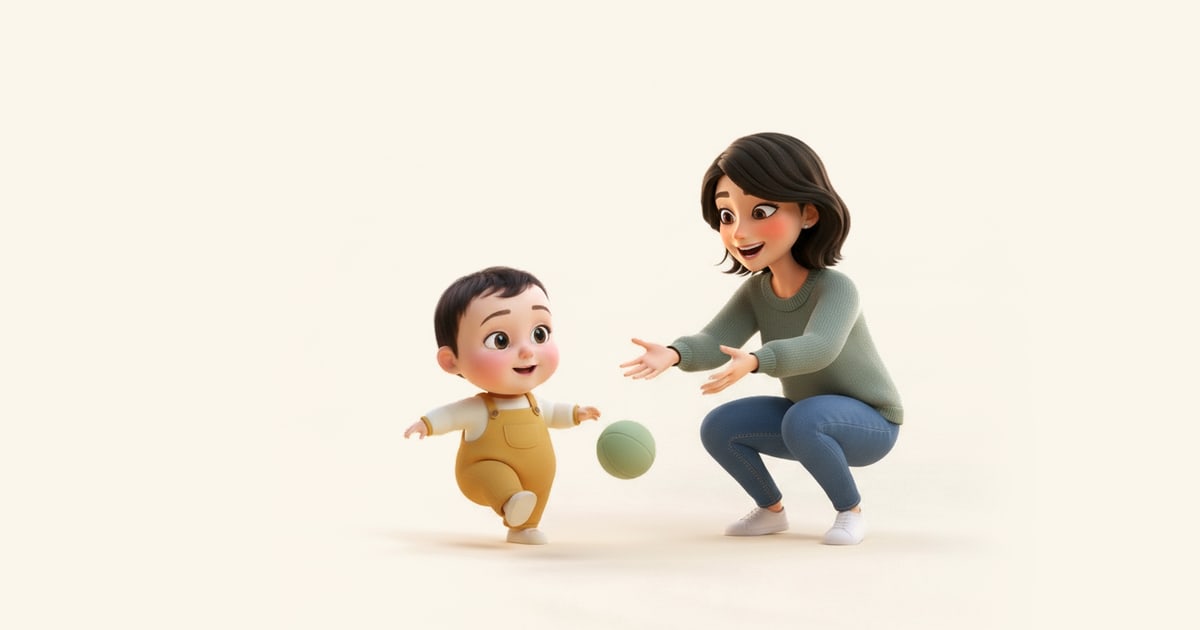
In breve
- Verso il secondo compleanno molti bimbi uniscono le parole in piccole frasi, con un vocabolario di 50 parole o più.
- Di solito a questa età: prima frase (da 18 a 30 mesi).
- Lo stesso cibo di tutti, tre pasti e due spuntini sani, e il latte vaccino intero ora può essere una bevanda.
Com’è una giornata a 21 mesi?
Una guida, non un orario: ogni bebè trova il suo ritmo.
- Sonno
I bimbi piccoli possono fare due pisolini al giorno e, crescendo, di solito passano a uno solo da 1 a 3 ore: verso i 18 mesi, la maggior parte fa un solo pisolino. Non c'è una regola unica e ogni bambino è diverso. Tenere il pisolino lontano dalla nanna serale aiuta ad addormentarsi la sera.
- Latte e cibo
Tre pasti, due spuntini e circa 350 ml di latte al giorno, o allattamento finché volete entrambi.
- Denti
Inizia appena spunta il primo dente, due volte al giorno per circa 2 minuti, l'ultima prima di dormire e un'altra durante il giorno. Usa uno spazzolino piccolo e morbido e solo un velo di dentifricio per bambini al fluoro con almeno 1.000 ppm (controlla sulla confezione), a meno che il dentista non consigli un dentifricio per adulti. Farne ora una routine calma crea l'abitudine per la vita.
Verificato con NHS, NHS Healthier Together, verificato il 2 ottobre 2026
Una pagina ufficiale, citata parola per parola; un secondo ente non è ancora registrato.
“Start brushing your baby's teeth as soon as the first milk tooth breaks through (usually at around 6 months, but it can be earlier or later).”
NHS, letto l’1 ottobre 2026“Brush last thing at night before bed and on 1 other occasion.”
NHS, letto l’1 ottobre 2026“Use only a smear of toothpaste.”
NHS, letto l’1 ottobre 2026“Use children's fluoride toothpaste containing no less than 1,000ppm of fluoride (check on the box) unless a dentist advises using a family toothpaste with higher levels of fluoride, such as between 1,350ppm and 1,500ppm of fluoride.”
NHS, letto il 2 ottobre 2026“By around 18 months old, most toddlers have one daytime nap.”
NHS Healthier Together, letto il 2 ottobre 2026“There is no one rule for naps. Each child is different.”
NHS Healthier Together, letto il 2 ottobre 2026
Scritto seguendo NHS (i primi cibi solidi del bebè)
Cosa impara il tuo bebè a 21 mesi?
Frasi di due parole
Verso il secondo compleanno molti bimbi uniscono le parole in piccole frasi, con un vocabolario di 50 parole o più.
Salti a piedi pari
Entrambi i piedi si staccano insieme: arriva il salto, insieme all'arrampicata su tutto ciò che capita.
Missioni in due mosse
Le istruzioni in due passaggi ora funzionano: prendi le scarpe e portale qui. Che ne abbia voglia è un altro discorso.
Di solito a questa età
- ParolePrima fraseda 18 a 30 mesi
Quando chiedere a un professionista
Se il bebè ha perso una capacità che aveva già, o se il suo sviluppo ti preoccupa o pensi che sia indietro, parlane col pediatra.
Se ti preoccupa come parla o capisce, parlane col pediatra: se serve, vi indirizzerà a un logopedista.
Verificato con NHS, NHS Healthier Together, verificato il 2 ottobre 2026
Una pagina ufficiale, citata parola per parola; un secondo ente non è ancora registrato.
“During your baby's reviews your health visitor will discuss your baby's health and development, and ask if you have any concerns.”
NHS, letto l’1 ottobre 2026“If you are worried, speak to your health visitor or nursery key worker, or contact your local speech and language therapy service for advice.”
NHS, letto l’1 ottobre 2026“If you're worried about your baby's development or think they might be behind, talk to your health visitor or GP for advice and support.”
NHS Healthier Together, letto il 2 ottobre 2026“Have lost skills which they could do before”
NHS Healthier Together, letto il 2 ottobre 2026“If you're worried about your child's speech or language development, talk to your GP or health visitor.”
NHS, letto il 2 ottobre 2026
Scritto seguendo NHS (lo sviluppo del bebè), OMS (tappe dello sviluppo motorio)
Cosa mangia il tuo bebè a 21 mesi?
A tavola con la famiglia
- Cosa offrire
- Cibo di casa, ancora senza sale né zucchero aggiunti. Spuntini come frutta, bastoncini di verdura, pane tostato o yogurt bianco.
- Nel piatto
- A pezzetti se serve. Gli alimenti rotondi e duri si continuano a tagliare e cuocere in modo sicuro fino ai cinque anni.
- Quanto spesso
- Tre pasti, due spuntini e circa 350 ml di latte al giorno, o allattamento finché volete entrambi.
Scritto seguendo NHS (i primi cibi solidi del bebè)
È normale a 21 mesi?
Conati o soffocamento, qual è la differenza?
Il conato è rumoroso, con tosse e viso rosso, ed è un riflesso normale e protettivo mentre imparano a mangiare. Il soffocamento è silenzioso: le vie respiratorie sono bloccate e quasi non c'è suono. Resta sempre a portata di mano durante i pasti e lasciali mangiare al loro ritmo. Impara il primo soccorso per il soffocamento. Se le vie sono bloccate e non riesce a piangere o tossire, chiedi aiuto ad alta voce e inizia subito con i colpi sulla schiena, e fai chiamare subito il numero di emergenza: da qualcun altro, o tu in vivavoce se sei da solo, così hai le mani libere.
Il mio bimbo all'improvviso rifiuta cibi che amava.
La schizzinosità è una fase normale: l'appetito varia di giorno in giorno e una nuova prudenza verso il cibo è tipica dello sviluppo. Continua a offrire piccole porzioni varie senza forzare, mangiate insieme e fidati: i gusti tornano in settimane, non in giorni.
Altri bimbi sono avanti rispetto al mio, devo preoccuparmi?
Ogni bebè cresce e impara col suo ritmo, e non ce ne sono due uguali. La maggior parte raggiunge ogni tappa più o meno alla stessa età, ma alcuni ci arrivano prima o dopo, ed è comune che i bambini si sviluppino a ritmi diversi. I bilanci di salute dal pediatra servono a controllare che tutto proceda bene e a rispondere alle tue domande.
Quante parole dovrebbe dire?
I bambini imparano a parlare a età diverse, quindi non c'è un numero fisso di parole. Verso i 2 anni iniziano a mettere insieme frasi semplici. Parlare, cantare e leggere insieme ogni giorno, dare un nome alle cose che vedete e offrire scelte semplici è il sostegno migliore.
All'improvviso si aggrappa e piange quando esco?
L'ansia da separazione è comune tra i 6 mesi e i 3 anni circa, fa parte del normale sviluppo e di solito è un segno di quanto siete legati. Aiutano un saluto sorridente e sicuro, qualcosa di familiare che sappia di te e i giochi del cucù che mostrano che torni sempre, e la maggior parte dei bambini la supera crescendo.
Capricci forti, è normale a questa età?
I capricci sono normali: un bimbo piccolo con emozioni grandi e ancora senza parole o controllo per gestirle. Aiuta più restare calmi e vicini, dare un nome all'emozione e mantenere limiti semplici e costanti che ragionare sul momento.
Sbava e morde tutto, stanno spuntando i denti?
La dentizione porta spesso bava, voglia di mordere, gengive doloranti e un po' più di nervosismo, di solito dai 6 mesi. Aiutano qualcosa di fresco e solido da mordere, massaggiare le gengive con un dito pulito e più coccole. La febbre alta non è causata dalla dentizione. Tratta la febbre alta, la diarrea o un malessere reale come qualcosa di separato dalla dentizione, e senti il medico se sei preoccupato.
Quando iniziamo a togliere il pannolino?
Quasi tutti i bambini possono imparare a usare il vasino tra i 18 mesi e i 2 anni e mezzo. Non serve aspettare che mostri segnali o chieda il vasino per iniziare: alcuni non li mostrano mai, e va bene così. Col tempo molti iniziano a dirti quando devono andare. Procedi con calma e loda ogni tentativo, che riesca o no.
Cacca dura e rara da quando ha iniziato i solidi?
Le feci cambiano spesso e possono indurirsi quando iniziano i solidi. Offri più acqua ai pasti, tanta frutta e verdura e cereali integrali. Un dolce massaggio sulla pancia e le gambine a bicicletta aiutano. Se c'è sangue, dolore persistente, pancia dura e gonfia, o non passa, senti il pediatra.
Verificato con NHS (nhs.uk), Parent Club (Scottish Government), nidirect (Northern Ireland), NICE (UK), verificato il 12 ottobre 2026
“Gagging is a normal reflex as your baby learns to chew and swallow solid foods.”
NHS (nhs.uk), letto il 12 ottobre 2026“Choking is quiet.”
NHS (nhs.uk), letto il 12 ottobre 2026“Gagging is a normal reflex that prevents your baby from choking.”
Parent Club (Scottish Government), letto il 12 ottobre 2026“Choking is when food gets lodged in the throat and they are unable to breathe.”
Parent Club (Scottish Government), letto il 12 ottobre 2026“If your child's coughing isn't effective (it's silent or they can't breathe in properly), shout for help immediately and decide whether they're still conscious.”
NHS (nhs.uk), letto il 12 ottobre 2026“Call 999 if the blockage doesn't come out after trying back blows and either chest or abdominal thrusts.”
NHS (nhs.uk), letto il 12 ottobre 2026“If your child's coughing isn't effective, it's silent or they can't breathe in properly or speak, or are unconscious, call for help immediately on 999.”
nidirect (Northern Ireland), letto il 12 ottobre 2026“Most babies start teething at around 6 months, but others start teething before they are 4 months old and some after 12 months.”
NHS (nhs.uk), letto il 12 ottobre 2026“their temperature is slightly raised but less than 38C”
NHS (nhs.uk), letto il 12 ottobre 2026“Most infants start teething around 6 months of age.”
NICE (UK), letto il 12 ottobre 2026“Clinical features may include pain, increased biting and chewing, drooling, gum-rubbing, sucking, irritability, wakefulness, ear-rubbing, facial rash, decreased appetite, disturbed sleep, and in some cases mild temperature elevation (temperature less than 38°C).”
NICE (UK), letto il 12 ottobre 2026“Consider teething as a cause of symptoms in an infant or young child up to the age of 3 years, only after other possible causes have been excluded.”
NICE (UK), letto il 12 ottobre 2026
Verificato con NHS, NHS Healthier Together, verificato il 2 ottobre 2026
Una pagina ufficiale, citata parola per parola; un secondo ente non è ancora registrato.
“Gagging is a normal reflex as your baby learns to chew and swallow solid foods. Gagging is loud.”
NHS, letto l’1 ottobre 2026“Choking is quiet.”
NHS, letto l’1 ottobre 2026“If your child's coughing isn't effective (it's silent or they can't breathe in properly), shout for help immediately and decide whether they're still conscious.”
NHS, letto l’1 ottobre 2026“But it's perfectly normal for toddlers to refuse to eat or even taste new foods.”
NHS, letto l’1 ottobre 2026“One day they'll hate something, but a month later they may love it.”
NHS, letto l’1 ottobre 2026“Give small portions and praise your child for eating, even if they only eat a little.”
NHS, letto l’1 ottobre 2026“During your baby's reviews your health visitor will discuss your baby's health and development, and ask if you have any concerns.”
NHS, letto l’1 ottobre 2026“Help them build sentences - your child will start to put simple sentences together at around age 2.”
NHS, letto l’1 ottobre 2026“If you are worried, speak to your health visitor or nursery key worker, or contact your local speech and language therapy service for advice.”
NHS, letto l’1 ottobre 2026“Separation anxiety and fear of strangers is common in young children between the ages of 6 months and 3 years, although it can last longer and may also happen at other times of stress or anxiety.”
NHS, letto l’1 ottobre 2026“Playing games of peek-a-boo are a good way to show your baby you always come back.”
NHS, letto l’1 ottobre 2026“Temper tantrums usually start at around 18 months and are very common in toddlers.”
NHS, letto l’1 ottobre 2026“They feel frustrated, and the frustration comes out as a tantrum.”
NHS, letto l’1 ottobre 2026“Most babies start teething at around 6 months, but others start teething before they are 4 months old and some after 12 months.”
NHS, letto l’1 ottobre 2026“their temperature is slightly raised but less than 38C”
NHS, letto l’1 ottobre 2026“Some teething rings can be cooled first in the fridge, which may help to soothe your baby's gums.”
NHS, letto l’1 ottobre 2026“Some people think that teething causes symptoms such as diarrhoea, but there's no evidence to support this.”
NHS, letto l’1 ottobre 2026“Almost all children can be potty trained between 18 months and 2-and-a-half years old.”
NHS, letto l’1 ottobre 2026“It's often caused by diet so can happen when using formula milk or when you start introducing your baby to solid foods.”
NHS, letto l’1 ottobre 2026“lie your baby down and gently move their legs like they're riding a bicycle - this can help get things moving”
NHS, letto l’1 ottobre 2026“if your baby is happy lying down, give them a gentle tummy massage”
NHS, letto l’1 ottobre 2026“If you think your child may be constipated, take them to a GP.”
NHS, letto l’1 ottobre 2026“You do not need to wait for your child to show signs or ask to use a potty before you start.”
NHS, letto il 2 ottobre 2026“Every baby grows and learns at their own speed, and no two babies are the same. Most babies reach certain milestones at around the same age, but some might get there earlier or later.”
NHS Healthier Together, letto il 2 ottobre 2026“If you're worried about your baby's development or think they might be behind, talk to your health visitor or GP for advice and support.”
NHS Healthier Together, letto il 2 ottobre 2026“Have lost skills which they could do before”
NHS Healthier Together, letto il 2 ottobre 2026“your child will start to put simple sentences together at around age 2”
NHS, letto il 2 ottobre 2026“Remember, children learn to talk at different ages.”
NHS, letto il 2 ottobre 2026“If you're worried about your child's speech or language development, talk to your GP or health visitor.”
NHS, letto il 2 ottobre 2026
Quanto sono grandi i bebè a 21 mesi?
| Lunghezza | Peso | |
|---|---|---|
| Bambine | 83,7 cm | 10,9 kg |
| Bambini | 85,1 cm | 11,5 kg |
Scritto seguendo OMS, standard di crescita infantile
Quali vaccini arrivano verso questa età?
Ogni paese, e alcune regioni, ha il suo calendario, quindi i vaccini a 21 mesi dipendono da dove vivi. Ecco ciascuno, dal proprio servizio sanitario:
Cosa viene dopo?
Poppate, sonno e pannolini in un tocco, e il prossimo pisolino prima che arrivi
Nell’app registri la giornata insieme o per conto tuo, con ogni telefono sincronizzato. Vedi la crescita del tuo bebè sulla sua curva, segni le tappe man mano che arrivano, ricevi una previsione del prossimo pisolino dai tuoi registri e chiedi a Iris, che risponde tenendo conto di tutto.